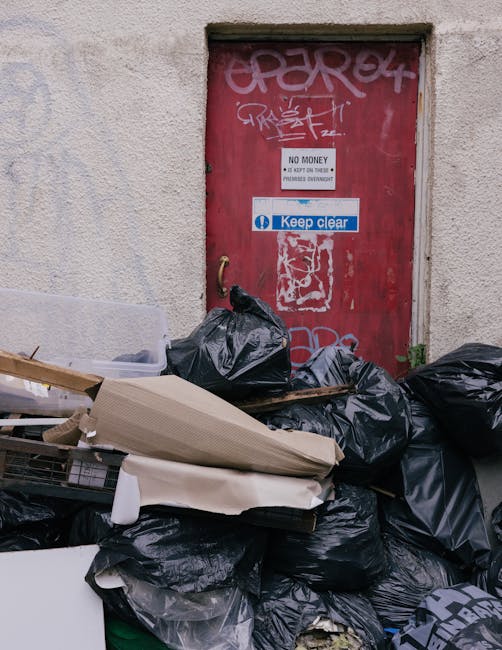
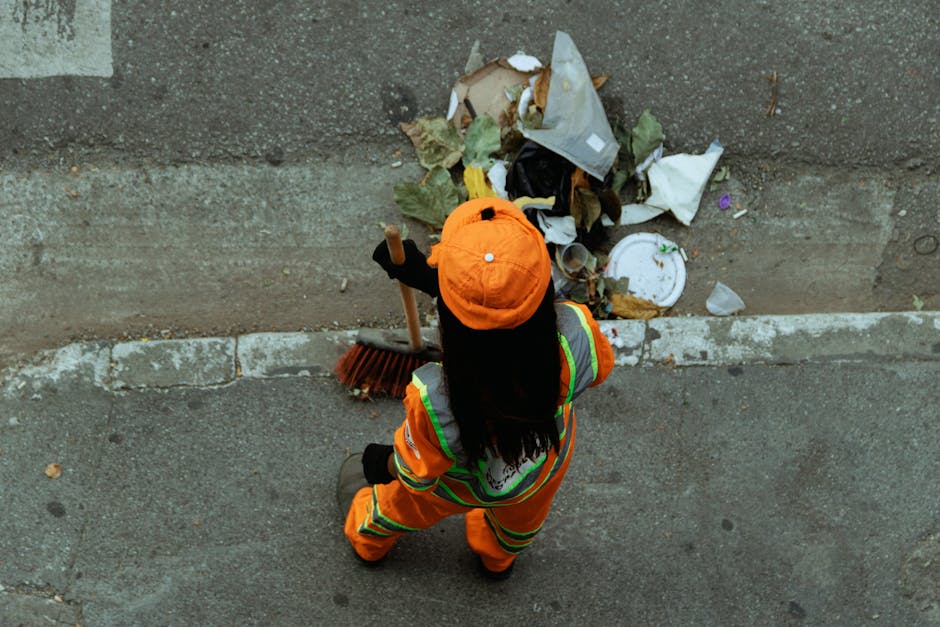
Hackney Council permit rules for bulky waste removals: what you need to know before you book
If you are trying to clear a sofa, mattress, wardrobe, or a pile of mixed junk from a flat or house in Hackney, the permit side of things can feel oddly confusing. That is usually the bit people only think about once a van is already booked. This guide breaks down the Hackney Council permit rules for bulky waste removals in plain English, so you can plan properly, avoid awkward delays, and choose the right removal option for the job.
Truth be told, bulky waste is rarely just "one item". It is often an old bed base, a broken chest of drawers, a bit of flat-pack furniture that never quite made it out of the hallway, and the classic mystery bag or two. In Hackney, access, parking, and local restrictions can matter just as much as the waste itself. Let's walk through the practical bits.
Table of Contents
- Why Hackney Council permit rules for bulky waste removals matters
- How Hackney Council permit rules for bulky waste removals works
- Key benefits and practical advantages
- Who this is for and when it makes sense
- Step-by-step guidance
- Expert tips for better results
- Common mistakes to avoid
- Tools, resources and recommendations
- Law, compliance, standards, or best practice
- Options, methods, or comparison table
- Case study or real-world example
- Practical checklist
- Conclusion
- Frequently Asked Questions
Why Hackney Council permit rules for bulky waste removals matters
Permit rules matter because bulky waste removals are not only about lifting heavy items out of a property. They can involve where a vehicle stops, how long it stays there, whether access is legal and safe, and whether the waste is removed in a way that suits the local environment. In Hackney, where streets can be tight and parking can be a headache on a good day, that becomes more than a small detail.
If a removal vehicle needs to wait outside a block, use a controlled bay, or occupy a restricted space, the right permit or parking arrangement may be needed. Without it, the job can stall. Or worse, the vehicle may end up causing obstruction, which nobody wants. The person living in the flat gets the stress, the crew gets the stress, and the street gets that slow, irritating ripple of frustration. You know the sort.
There is also the waste side of the equation. Bulky waste has to be handled responsibly, whether it is reusable, recyclable, or destined for disposal. If you are arranging a removal, it helps to think beyond the van turning up. Ask: can the items be moved safely from the property to the vehicle? Is there a suitable place for loading? Are there stairs, shared entrances, or estate rules that need attention?
Practical takeaway: the right permit setup is often the difference between a quick, tidy removal and a job that turns into a stop-start hassle.
That is why these rules are worth understanding before you book. A little planning saves time, avoids conflict with neighbours, and helps keep the removal smooth from start to finish.
How Hackney Council permit rules for bulky waste removals works
In simple terms, the process usually comes down to three things: where the vehicle is going to park or stop, what the property access looks like, and whether the removal method fits local restrictions. In Hackney, this can matter a lot more than people expect, especially in dense residential streets, estates, or areas with limited waiting space.
Here is the basic logic. If a bulky waste collection or removal vehicle can pull up legally and safely, loading is straightforward. If it cannot, you may need to think about permits, parking permissions, or an alternative arrangement. That may involve timed loading, use of a bay, or planning the job outside the busiest part of the day. It sounds boring. It isn't, really. It is the bit that keeps the day from going sideways.
For many residents, the biggest challenge is not the furniture itself but the access. A wardrobe is one thing; carrying it down a narrow stairwell while the front door sticks slightly and a neighbour needs through? Different story. Add parking restrictions outside and the logistics get more interesting very quickly.
At a practical level, a proper bulky waste removal plan should cover:
- vehicle access and stopping space
- loading time and route from the property to the vehicle
- whether any parking or permit restriction applies
- how the items will be sorted for reuse, recycling, or disposal
- any building, estate, or landlord rules that sit alongside council rules
It is also worth noting that local rules and procedures can change. So even if you have arranged a similar job before, it is sensible to check the current position rather than assume the last arrangement will still work. That small check can save a large amount of hassle.
When people compare options, they often ask whether the council route or a private removal service is better. The honest answer is: it depends on the items, timing, access, and how much hands-on help you want. Some jobs are simple enough. Others need a bit more coordination than a standard collection in the driveway.
Key benefits and practical advantages
Getting the permit side right brings a few very real benefits, and not just for compliance reasons. It can make the job faster, cheaper in practical terms, and far less stressful. To be fair, that is usually what people want most.
- Smoother loading: the van can park where it needs to, so the crew spends less time dragging items long distances.
- Less risk of fines or complaints: legal parking and sensible timing reduce the chance of avoidable problems.
- Better planning: you can coordinate access, lifts, and item removal in one go instead of discovering issues on the day.
- Safer handling: fewer awkward carries and fewer sudden detours mean less chance of damage or injury.
- Cleaner outcome: a well-planned removal is usually tidier, with less disruption in hallways, on pavements, or around entrances.
There is another benefit people miss: it makes the whole service feel calmer. No one likes a half-hour wait while someone circles the block looking for space. If the permit and access plan are sorted properly, the job tends to feel almost boringly efficient. Which, in removal work, is a compliment.
If you are also thinking about wider moving or clearance help, it can be useful to look at related services such as removal services or the more flexible option of man and van support when the job is smaller but still needs careful loading.
Who this is for and when it makes sense
This is not just for landlords or property managers. A lot of everyday people need bulky waste removals in Hackney, and many of them only do it once in a while, so the rules are easy to forget. If any of these sound familiar, you are in the right place.
- Flat dwellers clearing old furniture: especially in stair-only buildings or tighter streets.
- Families replacing bulky items: sofas, beds, wardrobes, cupboards, and white goods.
- Landlords and letting agents: end-of-tenancy clearances can be a scramble if access is limited.
- Students and sharers: quick turnarounds often mean bulky items need removing fast and properly.
- Office or small business operators: desks, chairs, storage units, and fit-out leftovers can pile up.
It makes sense whenever the items are too large, awkward, or numerous for ordinary waste bags. It also makes sense when the property access is tricky enough that you need a vehicle that can get close, load efficiently, and leave without causing disruption. In Hackney, that "can get close" part is often the whole game.
Some people try to wing it and just put everything out at the curb. Sometimes that works, sometimes it absolutely does not. If the items are large, heavy, or not suited to regular collection, a proper removal plan is usually the safer route.
Step-by-step guidance
Here is a straightforward way to organise a bulky waste removal in a way that respects local rules and avoids last-minute chaos.
- List exactly what needs removing. Write down each item, including size and whether it is heavy, fragile, or awkward to carry. A sofa is not just a sofa if it has metal feet, loose cushions, and a tight hallway to negotiate.
- Check access from the property to the street. Look at stairs, lifts, narrow turns, shared corridors, and any step-free alternatives. Notice the awkward bits, not just the obvious ones.
- Consider parking and stopping arrangements. Can the vehicle legally stop close by? If not, think about what sort of permit or parking arrangement may be needed.
- Speak with the building or estate manager if needed. Some blocks have their own rules for loading bays, forecourts, or shared entrances.
- Choose the right removal method. A full removals team, a man-with-van style service, or a simple collection may suit different jobs. Bigger is not always better, by the way.
- Book for a sensible time window. Mornings can be easier for access, while off-peak times may reduce street pressure. This depends on the area and the building, of course.
- Prepare items in advance. Separate reusable, recyclable, and rubbish items where you can. If the crew can load in one clean run, the whole job feels smoother.
- Keep documents or notes handy. If there are permit conditions, access instructions, gate codes, or caretaker contact details, have them ready.
One small but important point: do not leave heavy items in a place where they create a trip risk while waiting for collection. Hallways and shared stairwells are not storage rooms, no matter how tempting it is when the cupboard is already bursting.
If your job involves a broader house clearance or move, related pages such as house removals and home moves may also help you plan the wider logistics.
Expert tips for better results
After enough removals, you start to notice the same problems cropping up. They are usually not dramatic. Just the sort of small thing that grows into a headache because nobody planned for it.
Measure the awkward bits, not just the room
Doorway width, stair turns, lift size, and corridor corners matter more than most people think. If a wardrobe fits in the bedroom but not the stairwell, you will find out the hard way. Best to check first.
Do the waste sort before the vehicle arrives
Keep items that can be reused separate from general waste where possible. It makes the removal more efficient and can support better recycling outcomes. Even a rough sort helps.
Plan around local life, not just your own schedule
In Hackney, school runs, bin day, resident parking, and busy street hours can all influence how easy a job will be. A collection that looks simple at 9am can be awkward at 5pm. That is just real life.
Have a backup route for moving items
If the front entrance is blocked or a lift is out of service, know the alternative path before the team arrives. One extra route can save twenty minutes of faffing. Maybe more.
Choose a provider that talks clearly about access and timing
The good ones will ask practical questions early: floor level, item type, parking, lift access, and whether any permit arrangement is needed. If nobody asks, that is not always a good sign.
For jobs where fragile items are mixed in with bulky waste, careful loading matters. You can see the same thinking in articles like tips for selecting a reliable mover for fragile items, which is useful if your clearance includes mirrors, glass tables, or anything that gives you that nervous little pause.
Common mistakes to avoid
Most bulky waste problems are avoidable. The same few errors show up again and again.
- Assuming parking will sort itself out. It often does not.
- Underestimating the size of the items. A sofa bed or large cabinet can change the whole plan.
- Leaving permit checks until the day before. That is when stress starts to leak in.
- Forgetting estate or landlord rules. Council rules are only part of the picture.
- Booking the wrong size of vehicle. Too small and you need a second trip; too large and access becomes harder.
- Not separating waste types. Mixed loads can be slower to handle and harder to sort properly.
- Ignoring shared spaces. Hallways, entrances, and pavements need to stay safe and clear.
One more thing people miss: not all bulky waste is equal. A single mattress is a different job from a three-piece suite plus a dismantled wardrobe and a broken desk. The permit and access plan should match the actual load, not the vague memory of what is "just in the flat".
Tools, resources and recommendations
You do not need fancy equipment to organise a decent bulky waste removal, but a few simple tools make life easier.
- Measuring tape: useful for doors, hallways, stair turns, and furniture dimensions.
- Notebook or phone notes: keep a clear item list and any access instructions.
- Photos of items and access points: very helpful when getting a quote or discussing the job.
- Labels or tape: mark items that are going, staying, or need special handling.
- Strong gloves and sturdy shoes: basic but worth saying.
- Lift or parking notes: if your building has a loading bay, concierge, or timed access, write it down before you forget.
For transparency and planning, it also helps to review the provider's policies before you book. Pages such as pricing and quotes, terms and conditions, and health and safety policy can tell you a lot about how a job is likely to be handled.
If you are comparing providers, trust signals matter. Clear pricing, sensible communication, and insurance information are all worth checking. The same goes for insurance and safety, especially if the work involves narrow access, heavy lifting, or shared property areas.
And yes, the odd phone photo of the stairwell can save a lot of back-and-forth. Slightly dull, massively useful.
Law, compliance, standards, or best practice
When bulky waste removals involve roads, pavements, or restricted parking, compliance is not optional. The details will depend on the exact street, property type, and local arrangements, but the general best practice is consistent: do not block access unnecessarily, do not create hazards, and make sure vehicles are parked or stopped legally.
There is also a duty to manage waste properly. In the UK, waste should be handled by a responsible operator and taken to an appropriate place for reuse, recycling, or disposal. If you are arranging a removal, it is sensible to ask how the waste will be processed and whether the provider follows proper environmental and safety practices.
For private buildings and managed estates, additional rules may apply. These can include:
- loading time windows
- use of service entrances only
- booking lift access in advance
- limits on vehicle weight or size
- noise restrictions at certain times
Best practice is straightforward, even if the wording sounds a bit formal. Check access rules first, arrange the vehicle legally, protect shared spaces, and keep a clean handover. That approach tends to avoid problems with neighbours, managers, and crews alike.
Responsibility matters too. If a provider says they can remove anything but cannot explain how they will do it safely, that is worth a pause. A proper operator should be able to explain the plan in a calm, normal way. No drama. Just clarity.
Options, methods, or comparison table
There are usually three broad ways to deal with bulky waste in Hackney. The best choice depends on access, item volume, urgency, and how much hands-on help you want.
| Option | Best for | Pros | Things to watch |
|---|---|---|---|
| Council-style bulky waste collection | Simple, limited items | Good for straightforward clearances and scheduled collection | May require planning, waiting, or specific item rules |
| Man and van removal | Moderate loads, awkward access, mixed items | Flexible, faster, often easier for stair access and busy streets | Needs good access planning and the right vehicle size |
| Full removals or clearance service | Larger, heavier, more complex jobs | More hands-on support, better for complicated properties | Can cost more and may require more coordination |
In everyday terms, if the job is one mattress and a chair, a simple collection may be enough. If it is a top-floor flat, no lift, and a pile of mixed furniture, a more flexible removal arrangement usually makes life easier. If it is an office or a major clearance, proper removals support is often the sensible call.
You can also explore services like furniture pick up or man with van removal if your main need is getting bulky items out without turning it into a full house move.
Case study or real-world example
Imagine a second-floor flat near a busy Hackney street, with an old sofa, a broken bed frame, and two small cabinets to remove. Nothing outrageous. But the stairwell is narrow, the parking outside is tight, and the resident wants the work done before mid-morning because the road gets busier after that. Fairly normal, really.
Without planning, this kind of job can drag on. The crew arrives, looks for space, checks access, and then has to figure out whether the van can stop legally close enough to load. If the parking arrangement has not been considered, everyone loses time. The resident gets irritated, the neighbours start peeking out, and that slow London street energy kicks in.
With proper planning, it is much calmer. The item list is confirmed, the access route is checked, the vehicle is sized correctly, and the loading window is chosen with the local street flow in mind. The crew knows what is coming. The resident knows what to expect. The sofas go, the hallway is clear, and the whole thing feels almost plain.
That is the real win with permit-aware bulky waste removal. Not glamour. Not excitement. Just a tidy, controlled job that does not create extra noise or stress.
For people coordinating a larger move at the same time, related local guidance such as access challenges on Hackney estates and van hire solutions can be useful, especially if the property has tight entrances or estate restrictions.
Practical checklist
Use this quick checklist before booking or on the day of the removal.
- Confirm the exact items to be removed
- Measure doors, stairs, lifts, and tight corners
- Check if parking or stopping restrictions apply
- Ask whether any permit or building approval is needed
- Share access notes, gate codes, and entry details
- Separate reusable, recyclable, and general waste where possible
- Make sure shared spaces stay clear and safe
- Choose the right vehicle and crew size for the load
- Review pricing, terms, and safety information before confirming
- Keep the collection path clear on the day
If you can tick off all ten, you are already ahead of the curve. Not perfect, just prepared. Which is usually enough.
Conclusion
Hackney Council permit rules for bulky waste removals are really about one thing: making sure the job happens legally, safely, and without unnecessary friction. Once you understand the parking, access, and loading picture, the rest becomes much easier to manage. That is especially true in a borough where streets can be tight and every minute of parking space seems to have a purpose.
The best results come from simple habits: plan the access, confirm the items, check the parking rules, and choose a removal method that fits the property rather than forcing the property to fit the job. Small effort up front, much less stress later. Lovely, really.
If you want a tidy, no-nonsense way to handle bulky waste in Hackney, the smartest move is to book with the rules in mind and keep the process straightforward from the start.
Get a free quote today and see how much you can save.
Frequently Asked Questions
Do I need a permit for bulky waste removals in Hackney?
It depends on where the vehicle will stop or park, how long it will be there, and whether local parking restrictions apply. If the removal vehicle is using a restricted bay, a controlled space, or another regulated spot, a permit or permission may be needed.
Can I just leave bulky waste outside my home?
Not always. Leaving items outside without checking the proper arrangement can cause obstruction, complaints, or collection issues. It is better to confirm the correct way to present bulky waste for removal.
What counts as bulky waste?
Bulky waste usually means large household items that are too big for standard bins or normal waste collection. Common examples include sofas, beds, wardrobes, tables, and large broken furniture.
Is a man and van service suitable for bulky waste?
Often yes, especially for awkward access, smaller clearances, or mixed loads. A flexible vehicle and a careful crew can be a practical option when the street layout or building access makes things tricky.
How far in advance should I plan a bulky waste removal?
As early as possible, especially if access is tight or a permit, parking arrangement, or building approval may be needed. Leaving it until the last minute tends to create avoidable stress.
What if my building has its own access rules?
Then those rules matter too. Estate or landlord requirements can affect loading times, vehicle access, lift use, and where items can be moved from. It is best to check both the building rules and the local parking situation.
Can bulky waste be recycled or reused?
Sometimes yes. Many items can be sorted for reuse, recycling, or responsible disposal depending on condition and material. It is worth separating items where practical rather than treating everything as one mixed pile.
What happens if the removal vehicle cannot park nearby?
The job may take longer, become more expensive in practical terms, or need to be rescheduled. That is why access and parking checks are such a big deal before booking.
Are there extra risks with top-floor flats or stair access?
Yes. Narrow stairs, no lift, and tight corners can make bulky waste removals slower and more physically demanding. These jobs need careful planning and the right number of hands.
How do I know if a removal provider is trustworthy?
Look for clear communication, transparent pricing, straightforward terms, and sensible safety information. A good provider will ask practical questions about access and vehicle needs rather than guessing.
Should I separate furniture from general rubbish before collection?
Yes, if you can. Sorting items before the crew arrives usually makes the process smoother and can help with reuse or recycling. It also makes the job easier to assess properly.
What is the biggest mistake people make with bulky waste removals?
Assuming the parking and access will sort themselves out. In Hackney, that is often the part that causes the delay. A few minutes of planning can save a lot of back-and-forth later.